
Standard Clear Double Glazing
Reliable thermal and acoustic baseline for most Melbourne homes.
- U-Value
- 2.7W/m²K
- Rw Rating
- 35dB
- Heat Reduction
- 50%
- From
- $495/m²
Best for: Most homes, balanced performance
Learn more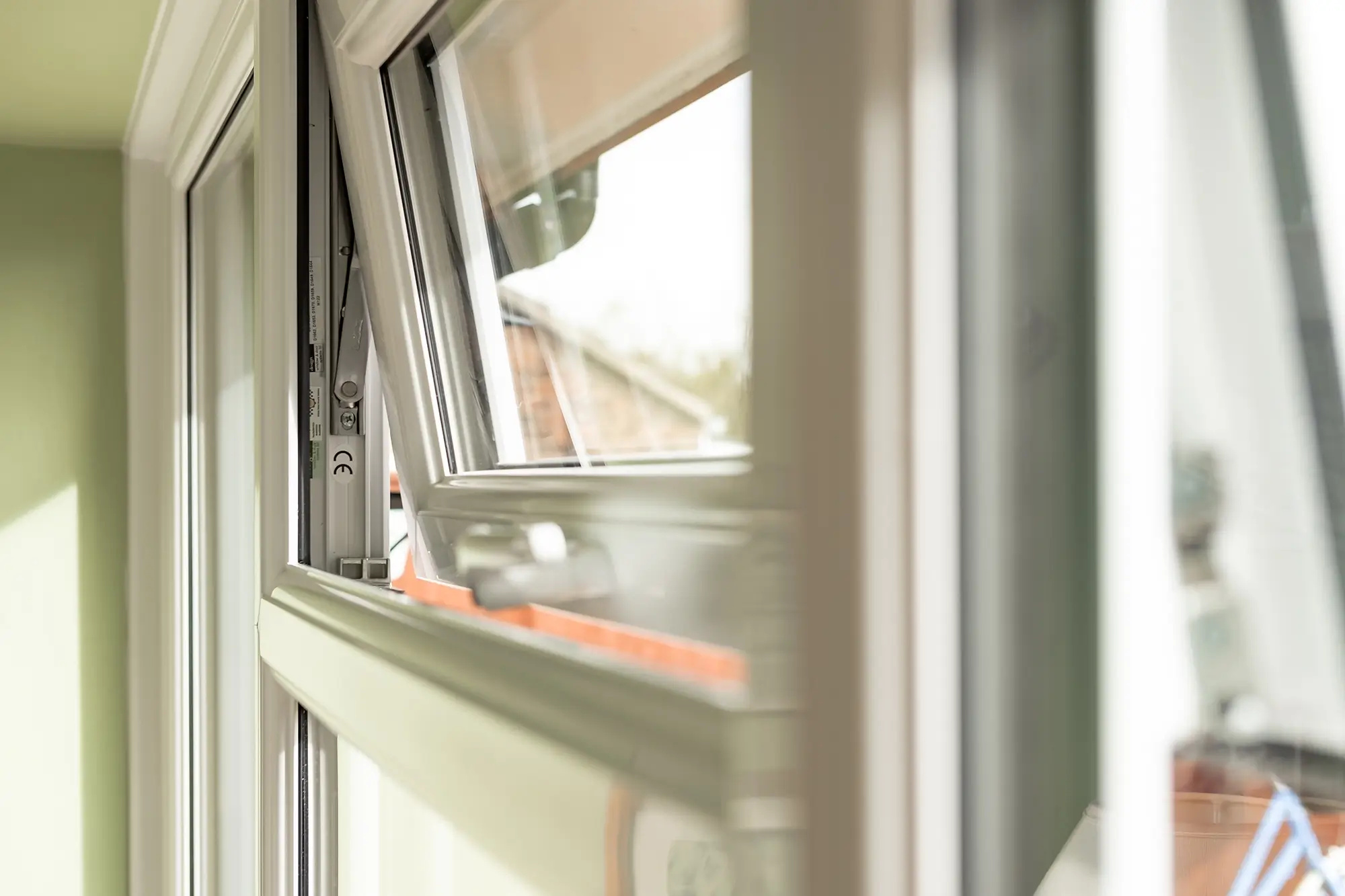
Standard clear, Tinted Low-E, Acoustic Laminated, Triple Glazed — compared honestly. No upsell.
Every glass type we install — specs, pricing, and what each one is built for.
Reliable thermal and acoustic baseline for most Melbourne homes.
Best for: Most homes, balanced performance
Learn moreMaximum thermal control for west-facing or solar-heavy rooms.
Best for: Hot rooms, energy bill reduction
Learn moreSpecialist glass for traffic, planes, and neighbour noise.
Best for: Busy roads, flight paths, party walls
Learn morePremium thermal and acoustic performance for full home comfort.
Best for: Maximum energy efficiency, cold climates
Learn moreOption 01 — From $495/m²
Two panes of clear float glass separated by a sealed air gap — typically 12mm. The gap acts as a thermal buffer, cutting heat transfer roughly in half compared to single glazing. No coatings, no tints: what you see through is exactly what you see outside. It's the most cost-effective entry point into double glazing and performs well across every Melbourne orientation. If your windows face south or east and your primary concern is winter warmth rather than summer solar gain, this is the specification we recommend.
Option 02 — From $595/m²
Low-emissivity (Low-E) glass has a microscopically thin metallic oxide coating — invisible to the eye — that reflects long-wave infrared radiation back to its source. In winter, heat generated inside is reflected back in. In summer, solar heat outside is reflected away before it enters. The tint layer further reduces solar heat gain coefficient (SHGC), targeting the high solar loads common on Melbourne's north and west elevations. The result is a 78% reduction in heat transfer — the best thermal performance in our retrofit range without moving to triple glazing.
Option 03 — From $645/m²
Acoustic laminated glass bonds two panes together with a PVB (polyvinyl butyral) interlayer — typically 0.76mm thick — that acts as a damping membrane. When sound waves hit the outer pane, the PVB converts vibrational energy into heat rather than transmitting it to the inner pane. The result is an Rw 42 dB rating, which outperforms standard double glazing by 7 dB — a perceptible halving of noise. It also outperforms most triple glazed configurations on acoustic performance alone. If you live within 200 metres of a tram corridor, arterial road, or flight path, this is the specification that will materially change your quality of life.
Option 04 — From $795/m²
Three panes, two sealed cavities, one U-value of 1.0 W/m²K. Triple glazing adds a third pane of glass and a second air gap, typically filled with argon gas to further slow convective heat transfer. The additional mass and damping also improves acoustic performance. The ROI case for triple glazing is strongest when heating loads are extreme — alpine suburbs, large glass areas on cold south-west elevations, or homes targeting a 7-star NatHERS rating. It is not always the right choice for inner Melbourne: for solar-heavy orientations, Tinted Low-E will outperform on energy bills at lower cost.
Compare All Types
Every spec, side by side. No marketing spin.
| Feature | Standard Clear Double Glazing | Most Popular Tinted Low-E | Acoustic Laminated | Triple Glazed |
|---|---|---|---|---|
Price from per m², installed | $495/m² | $595/m² | $645/m² | $795/m² |
U-value W/m²K — lower is better | 2.7 | 1.8 | 2.4 | 1 |
Acoustic rating Rw dB — higher is better | Rw 35 | Rw 36 | Rw 42 | Rw 40 |
Heat reduction vs single pane | 50% | 78% | 45% | 85% |
VEU rebate eligible | ||||
Heritage compatible | ||||
Noise priority | ||||
Energy priority | ||||
Best for | Most homes, balanced performance | Hot rooms, energy bill reduction | Busy roads, flight paths, party walls | Maximum energy efficiency, cold climates |
| Estimate | Get price → | Get price → | Get price → | Get price → |
Decision Guide
Your primary goal is thermal improvement on a tight budget. South-facing rooms with no direct sun and no serious noise issue. A good all-rounder from $495/m² that outperforms single glazing on every metric.
Energy bills are the main problem. West or north-facing rooms that overheat in summer. Any home targeting VEU rebate eligibility. The most cost-effective specification for Melbourne's climate — our most specified glass at $595/m².
Noise is the primary issue — tram corridors, arterial roads, flight paths, or party walls. Rw 42 outperforms every other option for noise including triple glazed. Solid thermal performance as a bonus, from $645/m².
You are targeting a 7+ NatHERS star rating, live in the Dandenong Ranges or Yarra Valley, or have a very large glass area on a cold elevation. The highest U-value (1.0) in our range. Best ROI at $795/m² when heating loads are extreme.
FAQ
How to choose, what specs mean, and when the expensive option is worth it.
Tinted Low-E double glazing is the most commonly specified option for Melbourne homes. It delivers 69% less heat loss than single glazing (U-value 1.8 W/m²K), strong solar control for west and north-facing rooms, and qualifies for the VEU rebate — all at $595/m². It's the right call for most properties prioritising energy bills and year-round comfort. Standard clear double glazing is the starting point for budget-focused projects or rooms with minimal solar exposure.
Yes — and this is often the best approach. West-facing rooms benefit most from Tinted Low-E for solar control. Rooms facing a busy road or tram line are better served by Acoustic Laminated for noise reduction. South-facing windows that receive no direct sun may be fine with Standard Clear. A mixed specification costs no more to install than a single type — the factory makes each unit to order. We can advise per-elevation during the quote process.
Standard double glazing (U 2.7) creates a sealed air cavity that slows conductive heat transfer. Low-E double glazing adds a metallic oxide coating to the inner face of the outer pane. This coating reflects long-wave infrared radiation — the heat radiated from warm surfaces — back toward the source. In winter, it reflects indoor heat back inside. In summer, it reflects solar infrared back out. The coating adds roughly $100/m² and improves the U-value from 2.7 to 1.8 — a 33% improvement in thermal resistance.
Yes, though it's not the primary specification for energy efficiency. Acoustic Laminated glass achieves U 2.4 W/m²K — meaningfully better than single pane (U 5.8) and comparable to standard double glazing. The PVB interlayer adds acoustic performance without a significant thermal penalty. If noise and thermal comfort are both priorities, Acoustic Laminated is a solid all-rounder. If energy efficiency is the main goal and noise is secondary, Tinted Low-E is the better specification.
A small but real one. Argon fill improves the U-value of a standard air-filled double-glazed unit from roughly 2.8 to 2.7 W/m²K — about a 4% improvement. All our units include argon as standard at no extra charge. The larger gains come from the glass specification itself (standard vs Low-E vs triple) rather than the gas fill. Krypton fill, used in some triple-glazed units, provides a more significant improvement and is available on request for high-performance specifications.
Solar Heat Gain Coefficient (SHGC) measures the fraction of solar radiation that passes through the glass into the room. SHGC 0.86 (single pane) lets in almost all solar heat. SHGC 0.32 (Tinted Low-E) blocks about 63% of solar heat gain. In Melbourne's climate, low SHGC is valuable for west and north-facing glazing where summer afternoon sun is the primary discomfort driver. For south-facing glazing, where passive solar gain in winter is welcome, a higher SHGC may actually be preferable — we can specify per elevation if required.
The Victorian Energy Upgrades (VEU) program requires a minimum U-value threshold to qualify for the rebate. Tinted Low-E (U 1.8) and Triple Glazed (U 1.0) both comfortably qualify. Standard Clear Double Glazing (U 2.7) currently sits at the margin — eligibility depends on the specific unit specification and the home's heating zone. Acoustic Laminated (U 2.4) may qualify in higher heating zones. We confirm VEU eligibility for your specific address and specification at quote stage.
For most Melbourne metro homes: no, on energy savings alone. Low-E double glazing (U 1.8) captures roughly 85% of the thermal benefit of triple glazing (U 1.0) at about 65% of the cost. The ROI on the additional spend over Low-E is typically 12–15 years on energy savings. Triple glazing makes clear economic sense if you're in the Dandenong Ranges or Yarra Valley where heating degree days are substantially higher, if your home is targeting 8+ NatHERS stars, or if you have a very large glass area on an exposed elevation.
Acoustic Laminated (Rw 42) outperforms Triple Glazed (Rw 40) for noise reduction in our standard range. The extra glass pane in triple glazing adds mass but doesn't provide the resonance-damping effect of the PVB interlayer in acoustic laminated glass. For noise as the primary concern, Acoustic Laminated is the right specification. If you want maximum thermal AND strong acoustic performance, we can combine a laminated pane within a triple-glazed unit — a premium specification available on request.
No. The right glass is the one that solves your specific problem at the best cost-to-benefit ratio. Standard Clear at $495/m² is completely adequate for a south-facing bedroom in a quiet street. Specifying triple glazing in that same room would deliver marginal extra benefit at nearly double the cost. We aim to specify down, not up — the Instant Estimate tool lets you compare all four options side-by-side so you can make an informed decision rather than one driven by a sales conversation.
Select your glass type in the Instant Estimate tool and get a transparent, itemised quote in 60 seconds.
✓ No site visit required
✓ Price locked at quote
✓ 10-year warranty
✓ Melbourne-wide